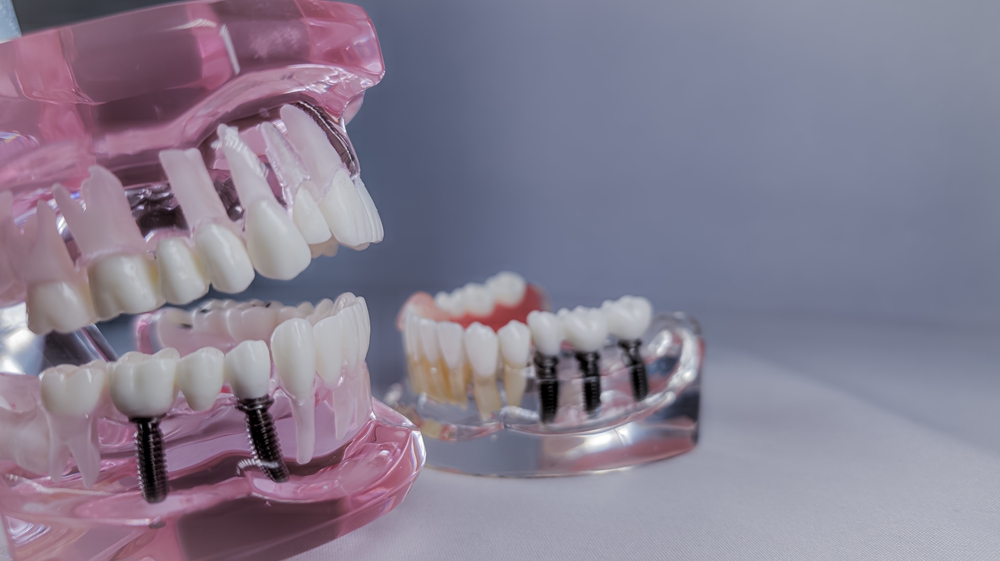
This tooth guide helps you compare dental implants and other tooth-replacement options so you can make an informed choice. Use this tooth guide Tampa, FL as a quick reference to understand implants, crowns, bridges, dentures, who qualifies for each option, typical timelines, costs, and the right questions to ask your dentist.
What this tooth guide covers
This tooth guide summarizes common tooth-replacement choices: dental implants, crowns and bridges, removable dentures, and full-arch solutions. It covers who is a good implant candidate, the diagnostic steps dentists use, what to expect from procedures and recovery, and basic cost and insurance realities. Use these sections to prepare for a focused conversation with your dentist.
Common tooth-replacement options
Dental implants
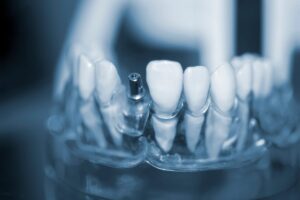
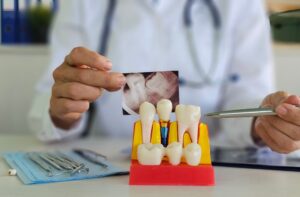
Dental implants are titanium posts placed in the jaw to replace tooth roots. Typical components are the implant (root), an abutment (connector), and a crown (tooth). Key benefits include bone preservation, stable chewing, and a natural look. Implants are often the longest-lasting option when you have good bone and gum health.
Crowns and bridges
Crowns cover damaged teeth; bridges replace one or more missing teeth by anchoring to adjacent teeth. Bridges may be quicker and less costly up front than implants, but they require altering neighboring teeth and don’t prevent underlying bone loss. Choose crowns or bridges when implants aren’t possible or when adjacent teeth need restoration.
Removable dentures
Dentures come as partial (replace some teeth) or full (replace all teeth). They’re often the most affordable choice and can be made quickly. Downsides include shifting, reduced bite strength, and the need for adhesives or relines. Partials can be a temporary or longer-term solution when implants aren’t an option.
Full-arch solutions (All-on-4 / same-day restorations)
Full-arch implant systems like All-on-4 use a few implants to support a whole arch of teeth. Same-day restorations can provide fixed teeth quickly, though some cases require staged approaches with grafting and healing before final restorations. Full-arch implants offer stability and function closer to natural teeth.
Who is a good candidate for implants
Oral health and medical factors
Good candidates typically have sufficient jawbone, healthy gums, and no uncontrolled medical issues. Conditions like unmanaged diabetes, heavy smoking, or severe gum disease can raise risks. Age alone isn’t a barrier; it’s overall health and bone quality that matter most.
Diagnostic steps
Dentists use clinical exams and imaging—panoramic X-rays and 3D CBCT scans—to assess bone volume, nerve location, and bite. Digital planning improves implant placement accuracy and predicts outcomes, so a thorough exam is essential.
What to expect: procedure, recovery, and lifespan
Planning and timeline
Expect a consultation and imaging, followed by surgery to place the implant. Some cases allow immediate temporary teeth; others need months of healing before the final crown. Full treatment can range from a few weeks to several months depending on grafting and healing.
Recovery and maintenance
Recovery includes short-term swelling and mild pain controlled with medication. Good oral hygiene, regular check-ups, and avoiding tobacco extend implant life. With care, implants often last decades.
Cost and insurance basics
Costs vary by procedure complexity, materials, and specialist fees. Dental insurance may cover portions (like crowns) but often limits implant coverage. Financing and payment plans are common options.
Use this tooth guide during your dental visit: questions to ask
Ask about the dentist’s implant experience and success rates, technologies used (3D planning, guided surgery), expected timeline, alternatives and risks, and any warranties or follow-up care included.
About Westchase Smiles Institute & Dr. Cesar Chilmaza
Westchase Smiles Institute serves Tampa, FL and focuses on personalized, evidence-based care. Dr. Cesar Chilmaza, DDS, MS, has advanced training in implants and full-mouth reconstruction and blends digital workflows with conservative approaches to restore function and aesthetics.
Key technologies and why they matter
Advanced implant planning systems, LANAP/LAPIP laser therapy, digital imaging, same-day/full-arch workflows, and modern cosmetic techniques help improve accuracy, reduce recovery time, and produce natural results.
Next steps / call to action
Use this tooth guide Tampa, FL during your consult to get a clear, personalized plan. Schedule a visit to review your options and get a treatment timeline tailored to your goals.