
Choosing the best way to replace missing teeth matters for your health, how you eat and speak, and your confidence. When you’re missing one or more teeth, the right replacement can prevent bone loss, stop nearby teeth from shifting, and restore a natural smile. This article compares modern options and explains how to choose the best way to replace missing teeth for your situation.
Common modern options for replacing missing teeth
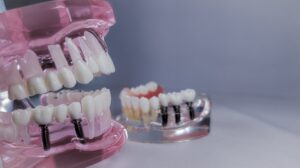
– Dental implants — Pros: permanent, preserves bone, looks and feels like a natural tooth. Cons: higher upfront cost and requires surgery. – Implant-supported bridges — Pros: replaces several teeth without using healthy teeth as anchors. Cons: needs multiple implants and more planning. – Traditional fixed bridges — Pros: fast, no surgery, good for single missing tooth. Cons: requires shaving adjacent teeth and does not prevent bone loss. – Removable partial dentures — Pros: lower cost, easy to adjust. Cons: can feel bulky, may move when you eat, and can speed bone loss. – Full dentures — Pros: affordable for full-arch tooth loss, non-surgical. Cons: poor bone stimulation, slipping, and lower chewing power. – Implant overdentures — Pros: dentures snap onto implants for better stability and less bone loss. Cons: still removable and needs maintenance. – Resin-bonded bridges (Maryland bridges) — Pros: minimal tooth prep, quick. Cons: less durable and not ideal for high bite forces.
Why replacing missing teeth matters
Function and quality of life
Missing teeth make chewing and speaking harder. You may avoid certain foods, which can change nutrition. Replacing teeth restores bite strength, helps you speak clearly, and reduces daily discomfort from uneven chewing.
Oral health consequences
Jaw bone shrinks where teeth are missing because it no longer receives normal chewing forces. Nearby teeth can drift into empty spaces, causing bite changes and making cleaning harder. These changes raise the risk of tooth decay and gum disease.
Emotional and social impact
Visible tooth loss can lower self-confidence and make social situations stressful. A natural-looking replacement improves how you feel about your smile and can boost social and work interactions.
Are dental implants the best way to replace missing teeth?
What is a dental implant?
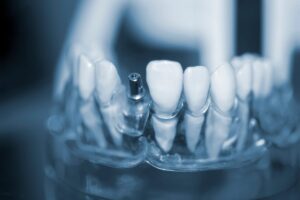
A dental implant is a small titanium post placed into the jawbone. An abutment connects the post to a crown. Together, they act like a natural tooth root and tooth, supporting chewing and preserving bone.
Key benefits
Implants last many years and often decades with good care. They prevent bone loss by transmitting chewing forces to the jaw. Implants look and feel natural, do not rely on neighboring teeth, and can be cost-effective over time because they need fewer replacements.
Who may not be a candidate
Some people have low jawbone volume, uncontrolled diabetes, or heavy smoking habits that raise implant risk. Many cases can be managed: bone grafts can rebuild bone, medical conditions can be stabilized, and quitting smoking improves success. A dentist will evaluate and recommend solutions.
Fixed bridges vs. removable dentures: pros and cons
Fixed (traditional) bridges
Traditional bridges attach a false tooth to crowns on adjacent teeth. They work well when those teeth are strong and healthy. Downsides include removing enamel from good teeth and no prevention of bone loss at the missing tooth site. Lifespan is often 10–15 years with care.
Removable partials and full dentures
Partials and full dentures are less expensive and do not require surgery. They are easy to repair and adjust. However, they can be uncomfortable, slip during eating or speaking, and speed bone loss because they do not stimulate the jaw like natural roots or implants.
Implant-supported overdentures
Overdentures clip onto implants for much better stability than regular dentures. They improve chewing, reduce sore spots, and slow bone loss. They are a middle ground—more costly than dentures but less invasive or expensive than replacing every missing tooth with individual implants.
How to decide the best way to replace missing teeth for you
Key factors to consider
Think about how many teeth are missing, where they are, the quality of your jawbone, overall health, budget, and how quickly you want results. A single missing front tooth and a full-arch replacement have very different solutions.
Questions to ask your dentist
Ask about the dentist’s experience with implants and other options, the full treatment timeline, expected maintenance, risks and complications, and alternative plans if initial treatments aren’t possible.
Red flags to avoid
Be cautious of guarantees that sound too good, clinics that skip diagnostic imaging, or pressure to accept one treatment without discussing alternatives and costs.
Cost, insurance, and long-term value
Implants usually cost more upfront but often last longer, making them a better long-term value. Bridges and dentures cost less initially but may need replacement or repairs more often. Many dental insurance plans limit coverage for implants; ask about benefits and consider financing or payment plans.
What to expect at a treatment consultation
Expect a full exam, X-rays or CBCT imaging, and a discussion of options. The dentist will outline a treatment plan, timeline, and possible preparatory work like extractions or bone grafts. You should get clear next steps and cost estimates.
Choosing a provider for the best way to replace missing teeth
Look for credentials, clear before-and-after photos, patient reviews, and dentists who work with specialists when needed. A good provider explains options, shows success rates, and outlines contingency plans.
Conclusion and next steps
The best way to replace missing teeth depends on your health, goals, and budget. Dental implants often offer the most natural feel and long-term benefits, but bridges or dentures may be better for some people. Schedule a consultation or a second opinion to compare implants, bridges, and dentures and find the right plan for you.